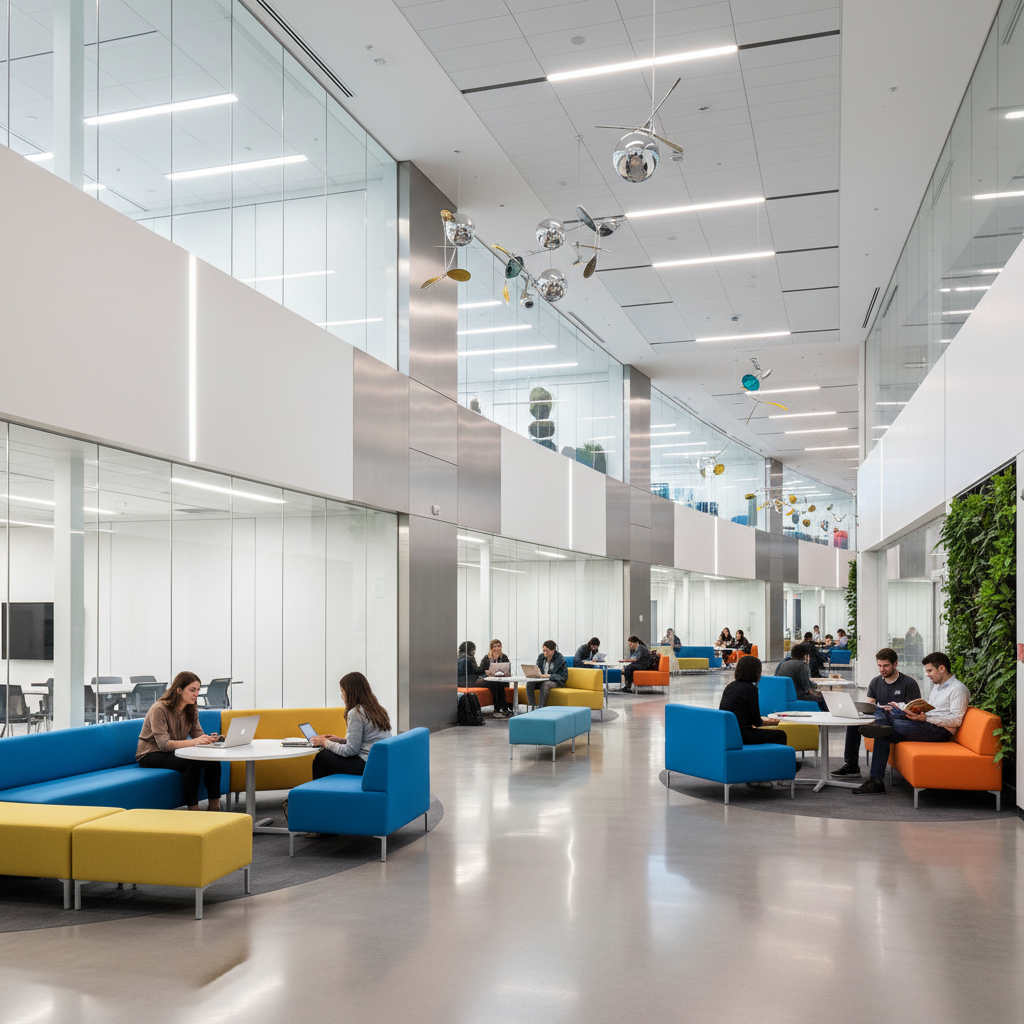
Three campuses.
Walk through each.
// Every project delivered on bond-measure budget.
// Every space validated by post-occupancy study.
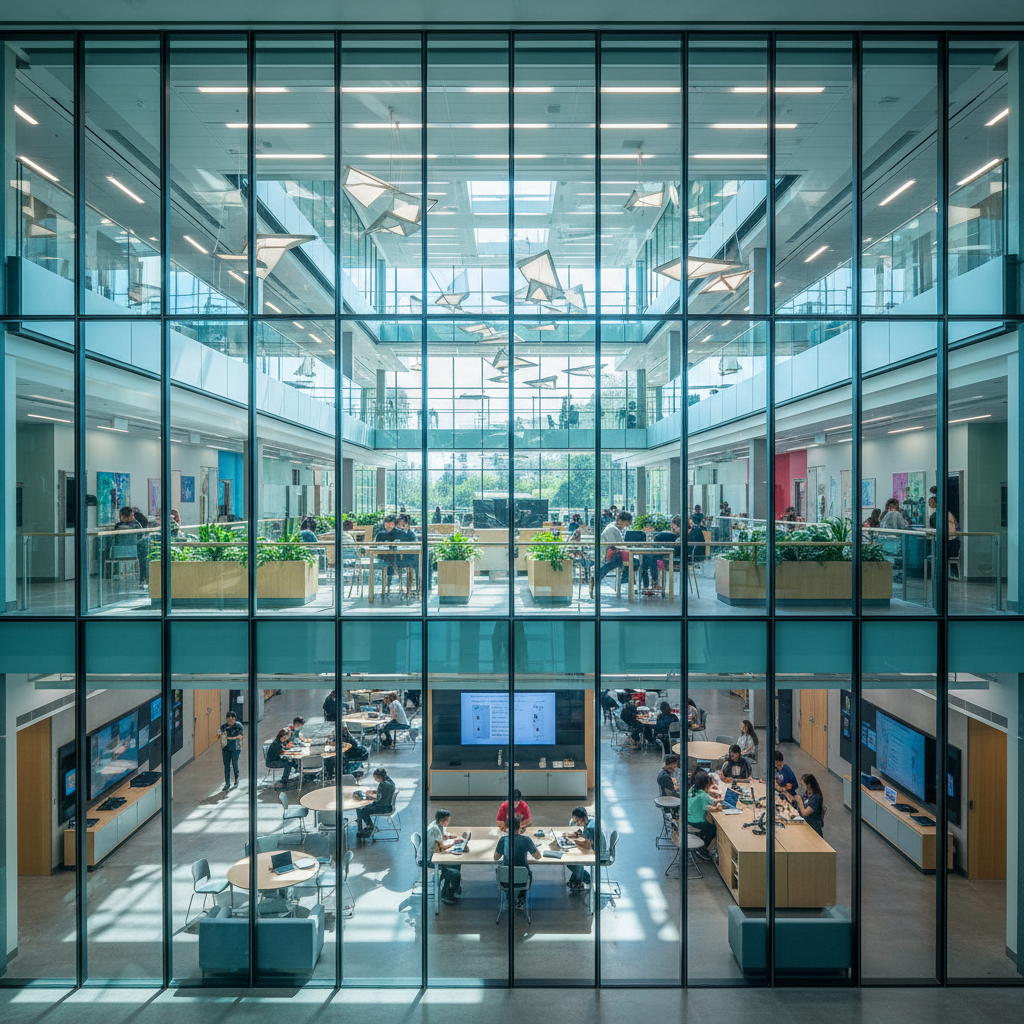
Westfield STEM Academy
New Construction · K-12 · Portland, OR
A three-building campus organized around a central maker spine. Acoustic panels tuned to 0.4-second reverberation. Daylight autonomy exceeds 85% in all classrooms.
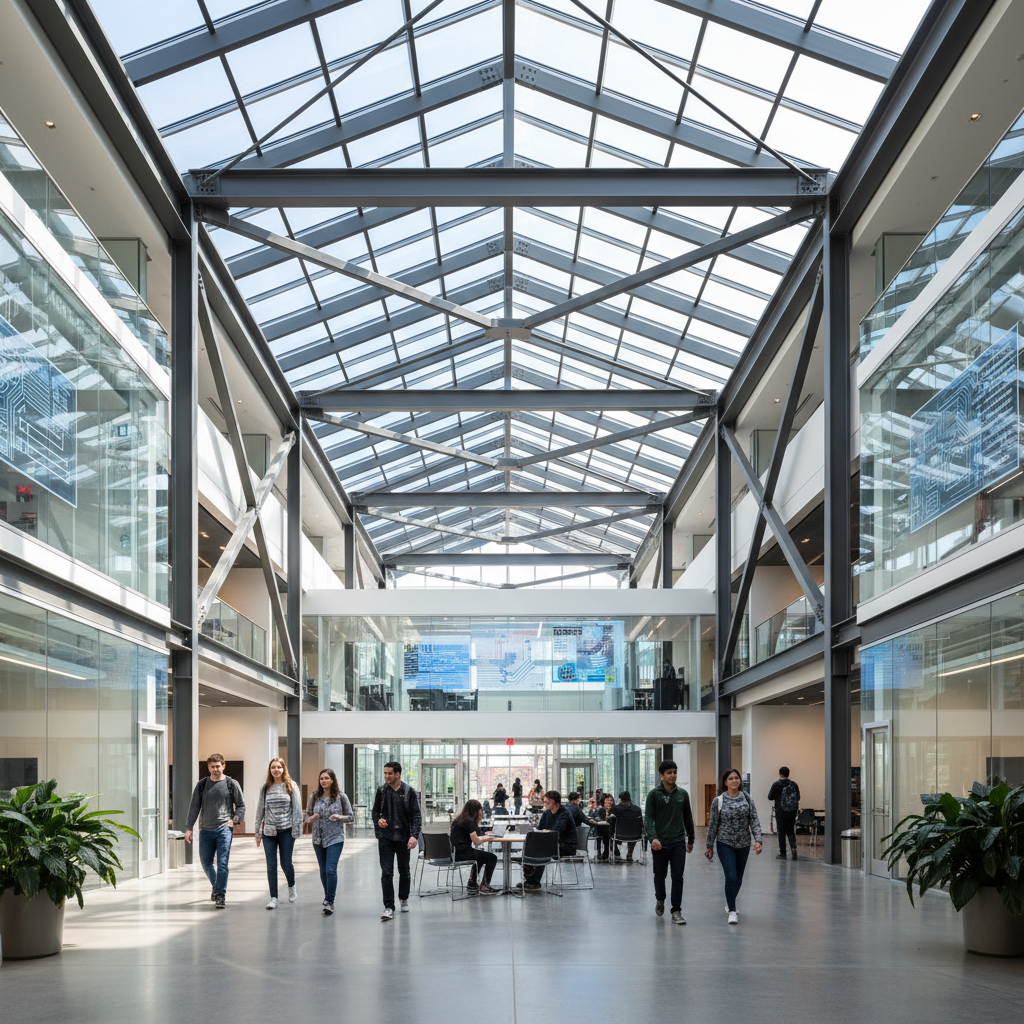
Hargrove College of Engineering
Renovation + Addition · University · Austin, TX
Inserted a six-story research tower into an existing 1970s engineering block. Every lab bench carries a 200A circuit. The atrium daylights four floors through a structural glass roof.
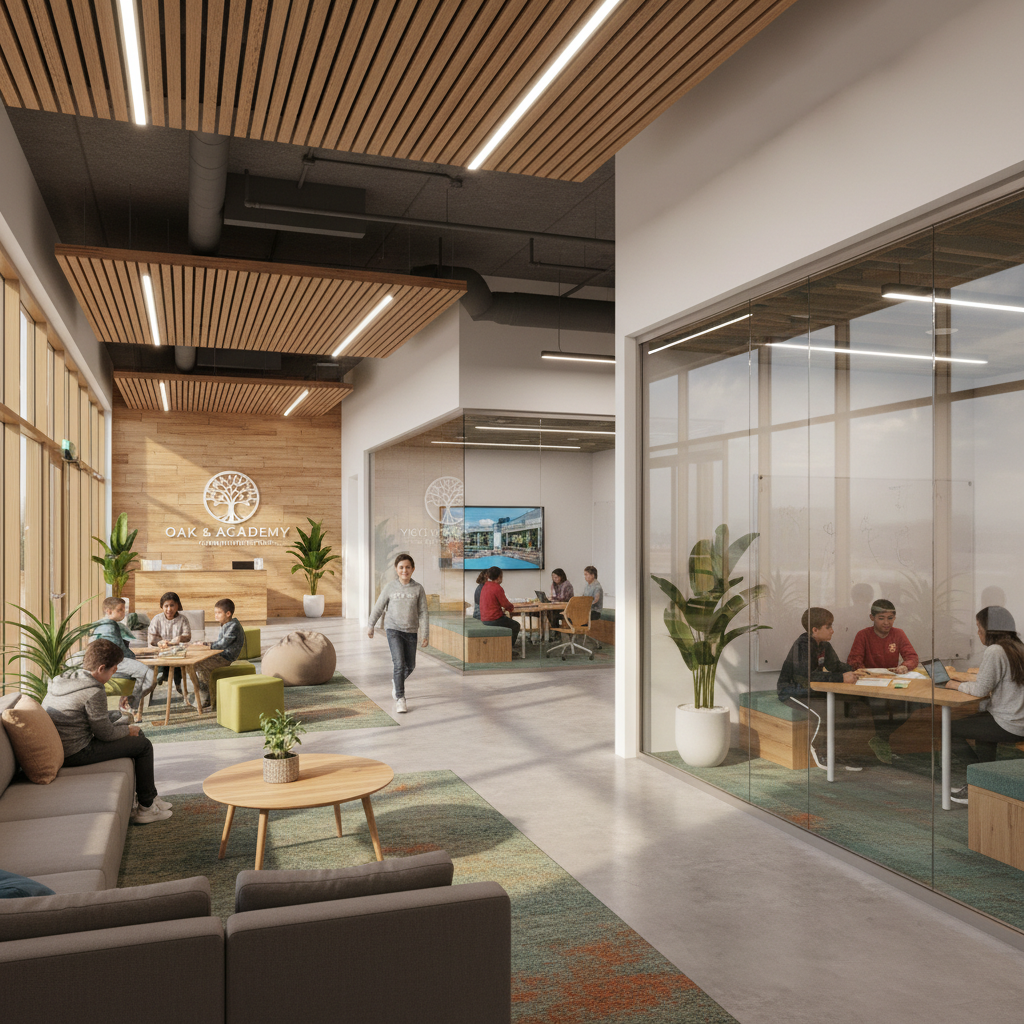
Meridian Charter Campus IV
New Construction · Charter K-8 · Denver, CO
Fourth campus for a growing charter network — same DNA as campuses one through three, refined by 6 years of post-occupancy data. Flexible partitions reconfigure four classrooms into one hall in 90 seconds.
Details that determine
whether learning happens.
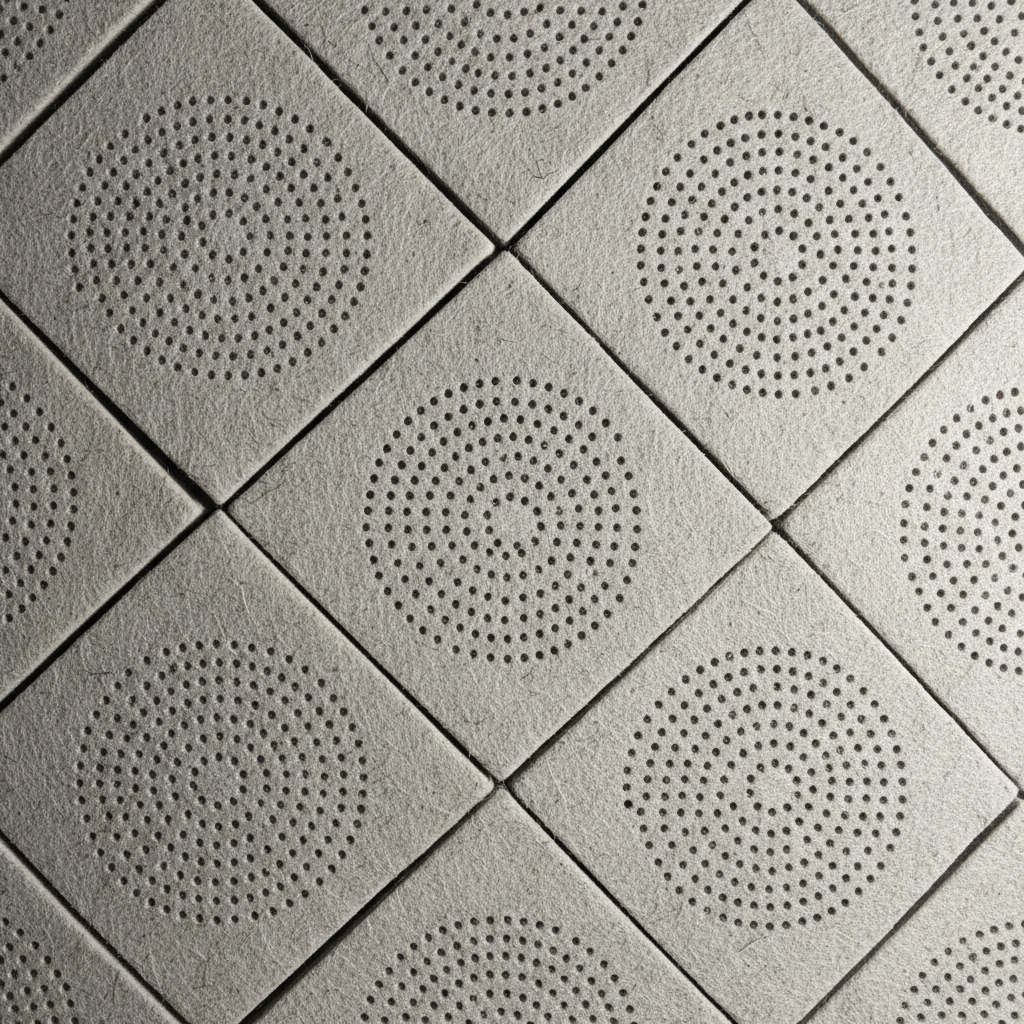
Tuned like an instrument.
Every classroom ships with a measured reverberation time between 0.4–0.6 seconds. We model speech transmission index before a single wall is framed.
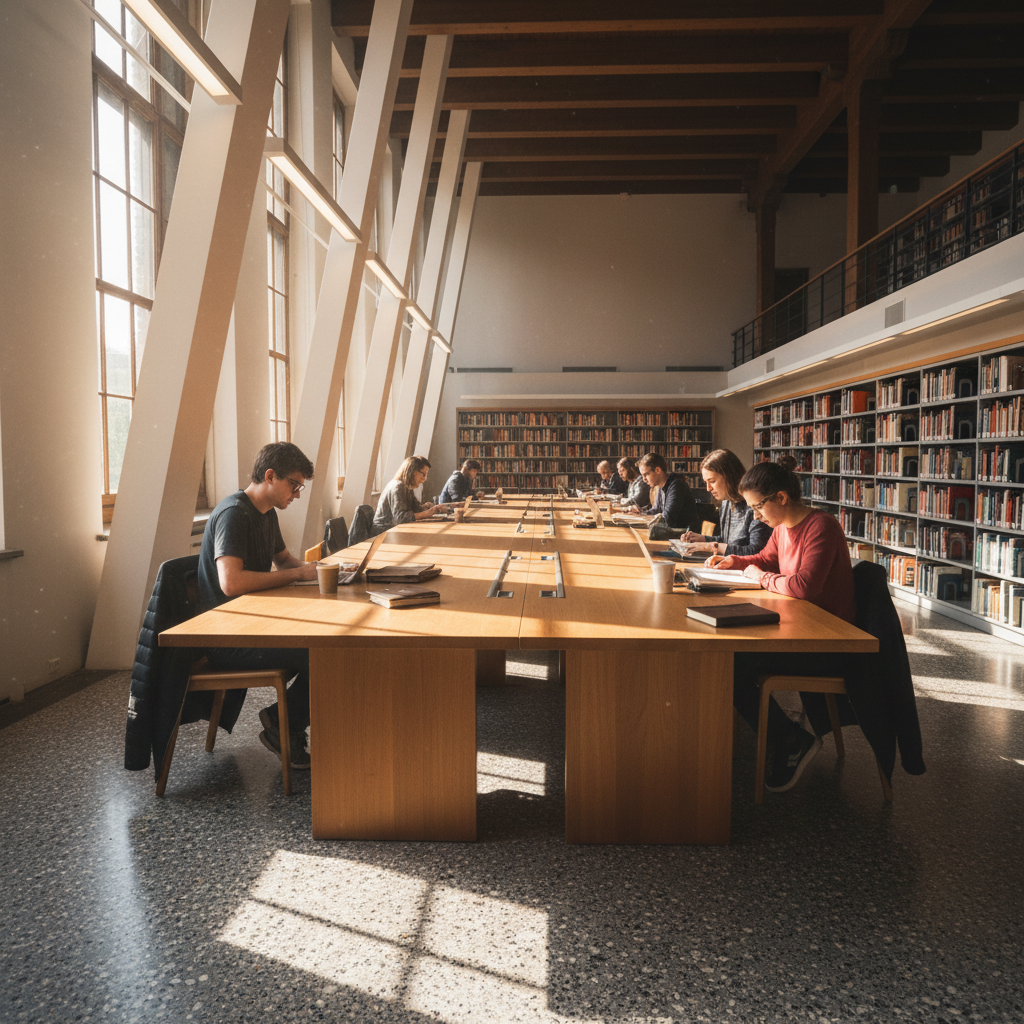
Light tracks the lesson.
Automated shading and light shelves redirect daylight 25 feet into floor plates. Reading tables receive 300–500 lux from 8am to 3pm without direct glare.
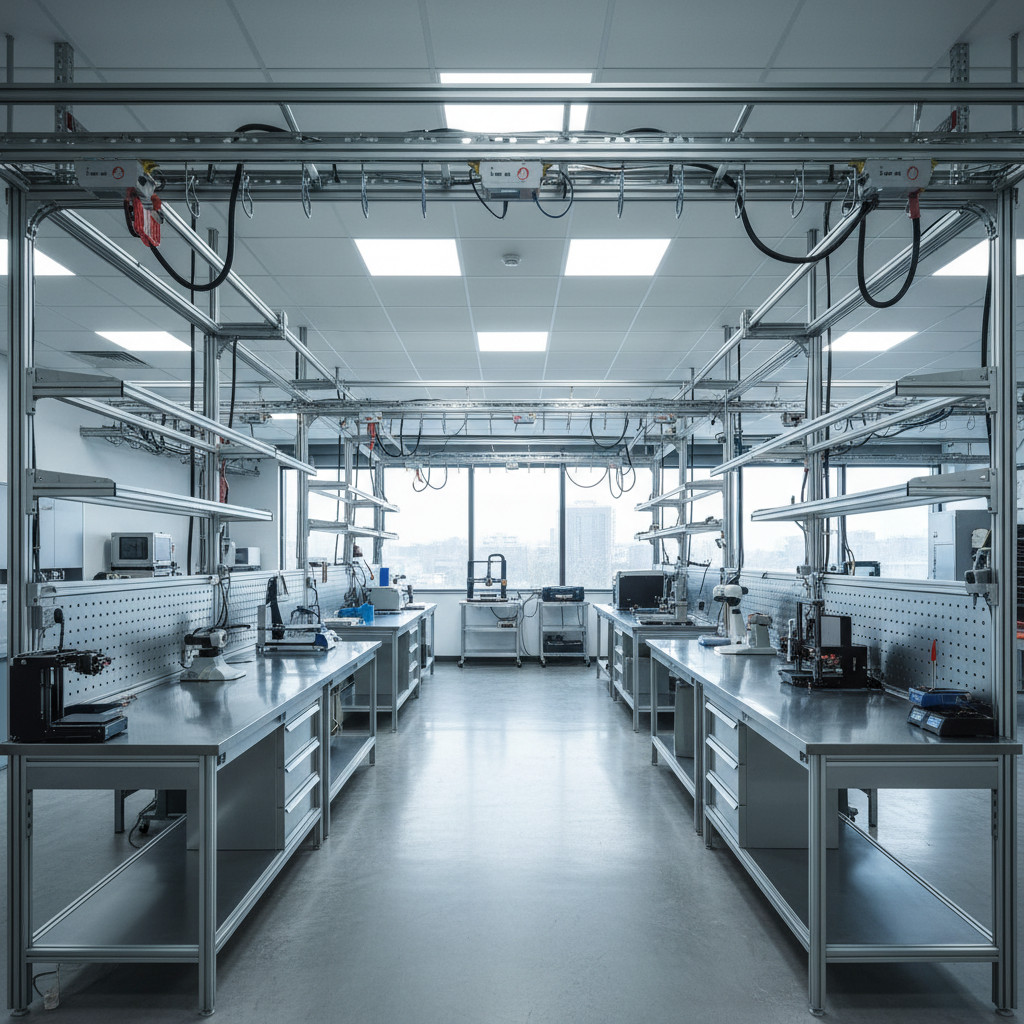
Wired for tomorrow.
Every bench carries 200A at 120/208V. Compressed air, fume extraction, and data — all reconfigurable via underfloor utility spine. Designed for curriculum that hasn't been written yet.
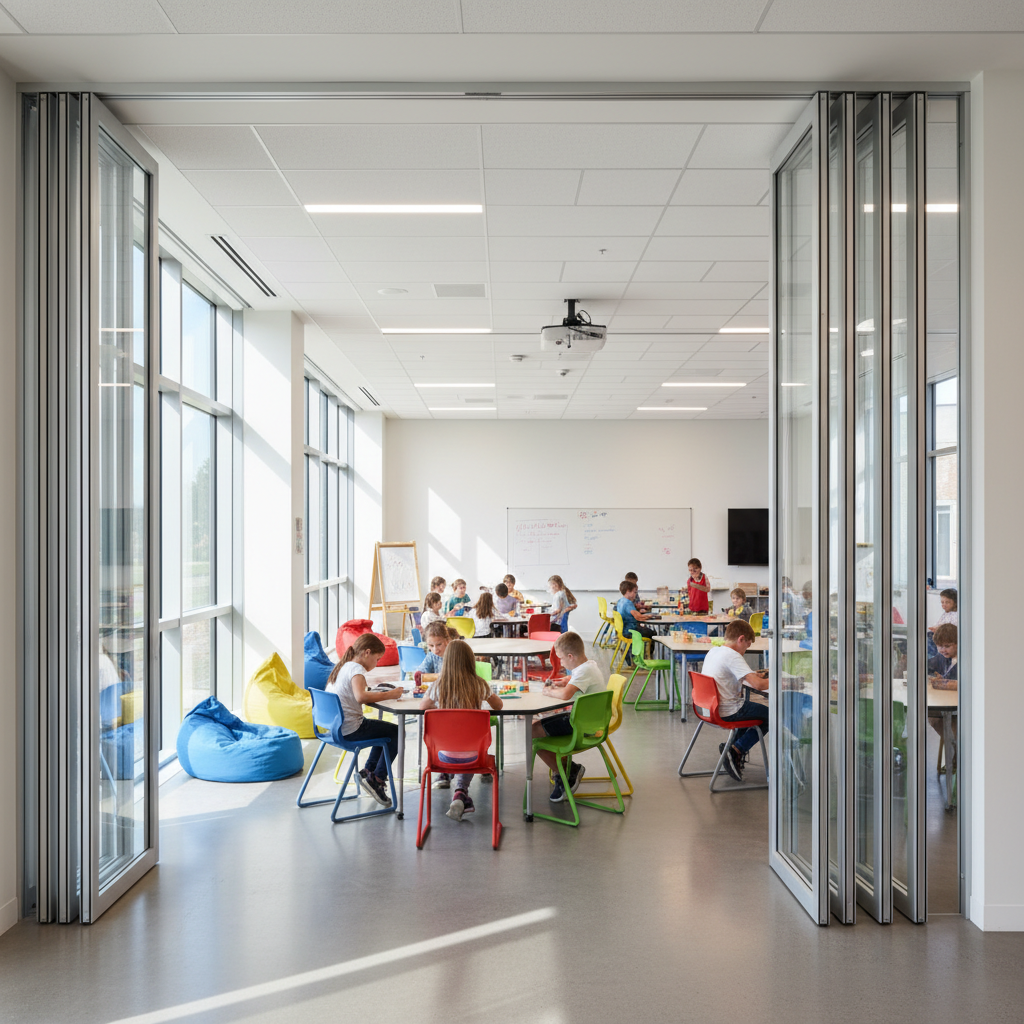
One click, four rooms.
Operable wall systems reconfigure from four classrooms to one assembly hall in 90 seconds. STC 52 when closed. Acoustic seals tested to 10 million cycles.
Your district deserves
buildings that teach.
We work with facilities directors, provosts, and charter founders who know exactly what they need — and those who are still figuring it out. Either way, the first conversation is free.
Three client types.
One level of precision.
Bond measure to ribbon cutting.
We've navigated Prop 39, Measure E, and a dozen other bond programs. Our feasibility studies are formatted for board presentations. Our construction documents pass DSA first submission.
STEM expansions that attract faculty.
Research adjacency, instrument vibration isolation, fume hood exhaust — we've done the technical deep-dive on 14 university science and engineering buildings. The provost's office gets a building that recruits.
Campus four is faster than campus one.
By your third campus, you know what works. We document every decision, every spec, every lesson learned — so campus four is better, faster, and cheaper than campus one. Repeatable excellence.
From bond measure
to move-in day.
We read the bond document before the site plan.
Enrollment projections, state funding formulas, DSA requirements, and board approval timelines — all mapped before a pencil touches paper. The program is already funded before it's designed.
Three schemes. One right answer.
We present three fundamentally different site and building configurations — not variations on a theme. Each is fully costed. The board picks the direction; we don't pick for you.
DSA first-submission approval rate: 94%.
Our CDs are written for contractors who build schools, not office parks. Spec sections reference actual products available in your region. RFIs on our projects run 40% below industry average.
We stay until the keys are cut.
Site observation every two weeks. Punch list completed before substantial completion, not after. Post-occupancy study at 12 months — we want to know if the acoustics are performing.